


Lifestyle correlates of eight breast cancer-related metabolites: a cross-sectional study within the EPIC cohort

Background Metabolomics is a promising molecular tool for identifying novel etiological pathways leading to cancer. In an earlier prospective study among pre- and postmenopausal women not using exogenous hormones, we observed a higher risk of breast cancer associated with higher blood concentrations of one metabolite (acetylcarnitine) and a lower risk associated with higher blood concentrations…
Evidence Update on the Relationship between Diet and the Most Common Cancers from the European Prospective Investigation into Cancer and Nutrition (EPIC) Study: A Systematic Review

The European Prospective Investigation into Cancer and Nutrition (EPIC) is a multicentre prospective study conducted in 23 centres in 10 European countries. Here we review the findings from EPIC on the relationship between diet-related exposures and incidence or mortality from the four most frequent cancers in the European population: colorectal, breast, lung, and prostate cancer.…

Public Perceptions of the Role of Lifestyle Factors in Cancer Development: Results from the Spanish Onco-Barometer 2020

The European Code against Cancer recommends not to smoke, to avoid alcohol consumption, to eat a healthy diet, and maintain a healthy weight to prevent cancer. To what extent is the public aware of the influence of these lifestyle factors on cancer development? The goal of the current study was to describe the perceived influence…

Inflammatory potential of the diet and risk of breast cancer in the European Investigation into Cancer and Nutrition (EPIC) study

The role of chronic inflammation on breast cancer (BC) risk remains unclear beyond as an underlying mechanism of obesity and physical activity. We aimed to evaluate the association between the inflammatory potential of the diet and risk of BC overall, according to menopausal status and tumour subtypes. Within the European Prospective Investigation into Cancer and…

A prospective diet-wide association study for risk of colorectal cancer in EPIC

BACKGROUND & AIMS Evidence regarding the association of dietary exposures with colorectal cancer (CRC) risk is not consistent with a few exceptions. Therefore, we conducted a diet-wide association study (DWAS) in the European Prospective Investigation into Cancer and Nutrition (EPIC) to evaluate the associations between several dietary exposures with CRC risk. METHODS The association of…

A comparison of complementary measures of vitamin B6 status, function, and metabolism in the European Prospective Investigation into Cancer and Nutrition (EPIC) study

Background Vitamin B6 insufficiency has been linked to increased risk of cancer and other chronic diseases. The circulating concentration of pyridoxal 5′-phosphate (PLP) is a commonly used measure of vitamin B6 status. Ratios of substrates indicating PLP coenzymatic function and metabolism may be useful complementary measures to further explore the role of vitamin B6 in…

Development and validation of a lifestyle-based model for colorectal cancer risk prediction: the LiFeCRC score

Background Nutrition and lifestyle have been long established as risk factors for colorectal cancer (CRC). Modifiable lifestyle behaviours bear potential to minimize long-term CRC risk; however, translation of lifestyle information into individualized CRC risk assessment has not been implemented. Lifestyle-based risk models may aid the identification of high-risk individuals, guide referral to screening and motivate…

Metabolic Signatures of Healthy Lifestyle Patterns and Colorectal Cancer Risk in a European Cohort

Colorectal cancer risk can be lowered by adherence to the World Cancer Research Fund/American Institute for Cancer Research (WCRF/AICR) guidelines. We derived metabolic signatures of adherence to these guidelines and tested their associations with colorectal cancer risk in the European Prospective Investigation into Cancer cohort. Methods Scores reflecting adherence to the WCRF/AICR recommendations (scale, 1–5)…

Compliance with the 2018 World Cancer Research Fund/American Institute for Cancer Research Cancer Prevention Recommendations and Prostate Cancer

The etiology of prostate cancer (PCa) remains largely unknown. Compliance with the 2018 World Cancer Research Fund/American Institute for Cancer Research (WCRC/AICR) cancer prevention recommendations and its relationship to PCa was evaluated. A total of 398 incident PCa cases and 302 controls were included. The selection criteria for both cases and controls were: (i) age…

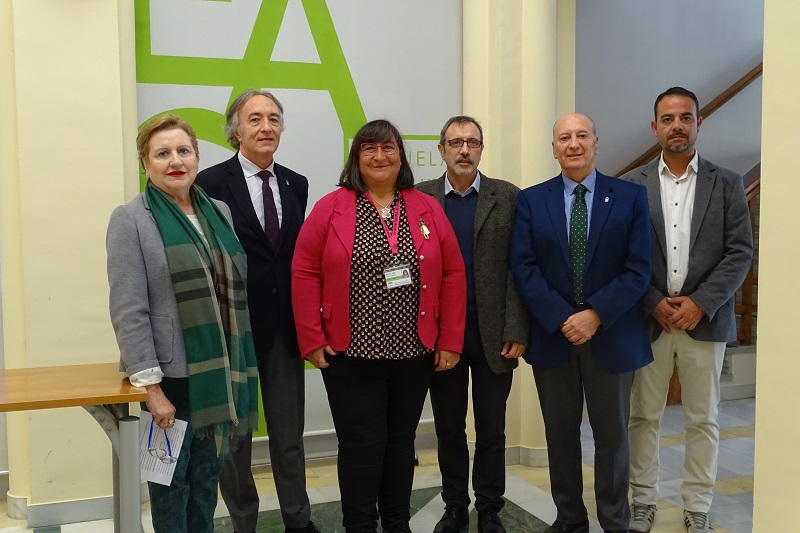
El Estudio Prospectivo Europeo sobre Nutrición y Cáncer evidencia la relación existente entre la alimentación y prevención e incidencia de cáncer

La Escuela Andaluza de Salud Pública es uno de los dos centros coordinadores de EPIC-España y acoge la reunión anual del Comité Directivo con representantes de distintas comunidades autónomas. El Estudio Prospectivo Europeo sobre Nutrición y Cáncer (EPIC en sus siglas en inglés) ha presentado resultados concluyentes sobre la relación entre la nutrición, los hábitos…