

Metabolic perturbations prior to hepatocellular carcinoma diagnosis: Findings from a prospective observational cohort study

Hepatocellular carcinoma (HCC) development entails changes in liver metabolism. Current knowledge on metabolic perturbations in HCC is derived mostly from case‐control designs, with sparse information from prospective cohorts. Our objective was to apply comprehensive metabolite profiling to detect metabolites whose serum concentrations are associated with HCC development, using biological samples from within the prospective European…
Healthy lifestyle and the risk of lymphoma in the EPIC study

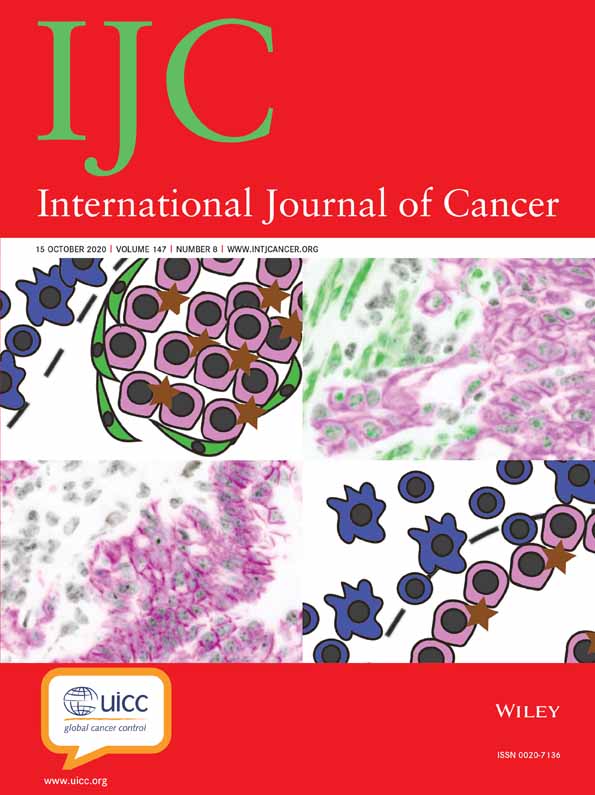
Limited evidence exists on the role of modifiable lifestyle factors on the risk of lymphoma. In this work, the associations between adherence to healthy lifestyles and risks of Hodgkin lymphoma (HL) and non‐Hodgkin lymphoma (NHL) were evaluated in a large‐scale European prospective cohort. Within the European Prospective Investigation into Cancer and Nutrition (EPIC), 2,999 incident…

Dietary intake of advanced glycation end products (AGEs) and changes in body weight in European adults

Purpose Advanced glycation end products (AGEs) can be formed in foods by the reaction of reducing sugars with proteins, and have been shown to induce insulin resistance and obesity in experimental studies. We examined the association between dietary AGEs intake and changes in body weight in adults over an average of 5 years of follow-up. Methods…

La Escuela Andaluza de Salud Pública acerca la investigación al alumnado de secundaria de Granada

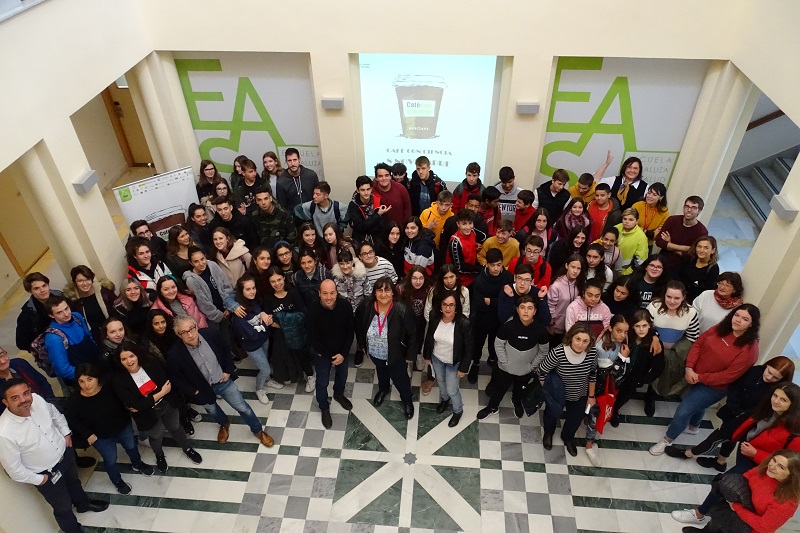
75 alumn@s, 4 profesor@s y 7 investigador@s hacen posible mañana en la Escuela Andaluza de Salud Pública el acercamiento de la ciencia y la investigación al alumnado de secundaria de la provincia de Granada. Con el objetivo de generar interés por el trabajo de investigación y contribuir a alentar vocaciones investigadoras entre futuros profesionales de…

Café Con Ciencia 2019

Café con Ciencia EASP 2019 Lugar: Escuela Andaluza de Salud Pública Fecha: 08 de noviembre Horario: De 9’00 a 11’00.   Asistentes del IES Albayzin (60 niñ@s de 3º ESO) MESA:  Las TIC en la vida de las chicas y chicos. Francisco J. Alaminos Romero y Berta Ruiz Benítez   MESA: Alcohol, botellón y jóvenes. Joan…

Coffee and Tea Consumption and the Contribution of Their Added Ingredients to Total Energy and Nutrient Intakes in 10 European Countries: Benchmark Data from the Late 1990s

Background: Coffee and tea are among the most commonly consumed nonalcoholic beverages worldwide, but methodological differences in assessing intake often hamper comparisons across populations. We aimed to (i) describe coffee and tea intakes and (ii) assess their contribution to intakes of selected nutrients in adults across 10 European countries. Method: Between 1995 and 2000, a…

Adipokines and inflammation markers and risk of differentiated thyroid carcinoma: The EPIC study

Other than the influence of ionizing radiation and benign thyroid disease, little is known about the risk factors for differentiated thyroid cancer (TC) which is an increasing common cancer worldwide. Consistent evidence shows that body mass is positively associated with TC risk. As excess weight is a state of chronic inflammation, we investigated the relationship…

Association between plasma phospholipid saturated fatty acids and metabolic markers of lipid, hepatic, inflammation and glycaemic pathways in eight European countries: a cross-sectional analysis in the EPIC-InterAct study

Background Accumulating evidence suggests that individual circulating saturated fatty acids (SFAs) are heterogeneous in their associations with cardio-metabolic diseases, but evidence about associations of SFAs with metabolic markers of different pathogenic pathways is limited. We aimed to examine the associations between plasma phospholipid SFAs and the metabolic markers of lipid, hepatic, glycaemic and inflammation pathways.…

Dietary and lifestyle determinants of acrylamide and glycidamide hemoglobin adducts in non-smoking postmenopausal women from the EPIC cohort

Purpose Acrylamide was classified as ‘probably carcinogenic’ to humans in 1994 by the International Agency for Research on Cancer. In 2002, public health concern increased when acrylamide was identified in starchy, plant-based foods, processed at high temperatures. The purpose of this study was to identify which food groups and lifestyle variables were determinants of hemoglobin…

Metabolomic profiles of hepatocellular carcinoma in a European prospective cohort

Background Hepatocellular carcinoma (HCC), the most prevalent form of liver cancer, is difficult to diagnose and has limited treatment options with a low survival rate. Aside from a few key risk factors, such as hepatitis, high alcohol consumption, smoking, obesity, and diabetes, there is incomplete etiologic understanding of the disease and little progress in identification…