Boletines serie infografías cáncer
Purpose Previously reported associations of protein-rich foods with stroke subtypes have prompted interest in the assessment of individual amino acids. We examined the associations of dietary amino acids with risks of ischaemic and haemorrhagic stroke in the EPIC study. Methods We analysed data from 356,142 participants from seven European countries. Dietary intakes of 19 individual…
Introduction: HPV infection is a common risk factor for all anogenital cancers. However, there are important differences in the epidemiology of anogenital cancers and these have not been compared considering diverse epidemiological indicators over a long period of time. To fill this gap, we investigated incidence, mortality, and survival trends of anogenital cancers over a…
Background Most risk factors for cardiovascular disease (CVD) are modifiable, suggesting that the burden of CVD could be substantially reduced through cardiovascular screening and healthier lifestyle. People who have social support are more likely to adhere to cardiovascular prevention recommendations, but it is not clear whether the benefit of social support is equal for men…
Background Observational studies have shown that women with an early menopause are at higher risk of stroke compared with women with a later menopause. However, associations with stroke subtypes are inconsistent, and the causality is unclear. Methods and Results We analyzed data of the UK Biobank and EPIC‐CVD (European Prospective Investigation Into Cancer and Nutrition‐Cardiovascular…
Background We sought to develop a proteomics-based risk model for lung cancer and evaluate its risk-discriminatory performance in comparison with a smoking-based risk model (PLCOm2012) and a commercially available autoantibody biomarker test. Methods We designed a case-control study nested in 6 prospective cohorts, including 624 lung cancer participants who donated blood samples at most 3 years…
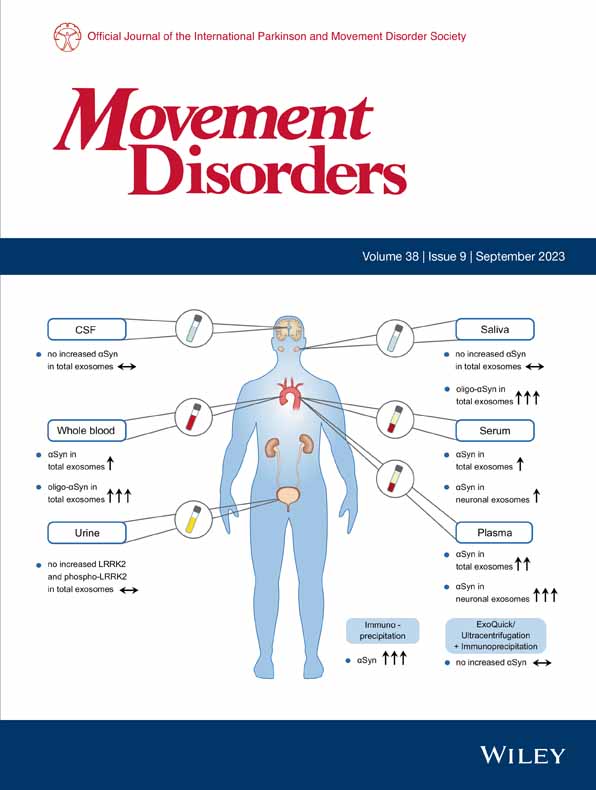
Background Metals have been postulated as environmental concerns in the etiology of Parkinson’s disease (PD), but metal levels are typically measured after diagnosis, which might be subject to reverse causality. Objective The aim of this study was to investigate the association between prediagnostic blood metal levels and PD risk. Methods A case-control study was nested…
Several studies have suggested that single nucleotide polymorphisms (SNPs) related to vitamin D metabolism may affect CRC carcinogenesis and survival. The aim of this study was to evaluate the influence of 13 SNPs involved in the vitamin D metabolic pathway on CRC survival. We conducted an observational retrospective cohort study, which included 127 Caucasian CRC…
Existing epidemiological evidence regarding the potential role of (poly)phenol intake in prostate cancer (PCa) risk is scarce and, in the case of flavonoids, it has been suggested that their intake may increase PCa risk. We investigated the associations between the intake of the total and individual classes and subclasses of (poly)phenols and the risk of…
Introduction: Previous studies measuring intervals on the oral cancer care pathway have been heterogenous, showing mixed results with regard to patient outcomes. The aims of this research were (1) to calculate pooled meta-analytic estimates for the duration of the patient, diagnostic and treatment intervals in oral cancer, considering the income level of the country, and…
Background: Hematological neoplasms (HNs) are the first and most common childhood cancers globally. Currently, there is a lack of updated population-based data on the incidence of these cancers in the Spanish pediatric population. This study aimed to describe the incidence and incidence trends of HNs in children (0–14 years) in Spain using data from the…