Boletines serie infografías cáncer
Background Colon cancer is strongly influenced by lifestyle factors. Sociodemographic factors like sex and socioeconomic position (SEP) might modulate the relationship between lifestyle and colon cancer risk. Metabolomics offers potential to uncover biological mechanisms linking lifestyle and colon cancer. Methods Lifestyle and untargeted metabolomic data were available from a nested case–control study within the European…
Background There is increasing evidence that diets characterized by food biodiversity could contribute to health outcomes. Greater dietary species diversity has been linked to reduced gastrointestinal cancer risk and all-cause mortality. However, mechanistic pathways supporting the association between food biodiversity and health are just beginning to be explored. Aim To characterize the metabolic profile associated…
Background Dietary guidelines recommend replacing saturated fatty acid with unsaturated fats, particularly polyunsaturated fatty acids. Cohort studies do not suggest a clear benefit of higher intake of polyunsaturated fatty acids but, in contrast, higher circulating linoleic acid (LA) levels—reflective of dietary LA intake, are associated with a reduced risk of type 2 diabetes. However, genetic…
Improving family quality of life (FQoL) of families of children with autism spectrum disorder (ASD) is a key priority in clinical research and practice. Previous studies have suggested that certain health-related behaviors in children with ASD, such as sleep or physical activity, may affect FQoL. However, the relative and independent effects of different health-related behaviors…
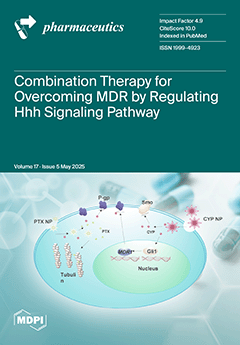
Background: Childhood cancers represent a heterogeneous group of malignancies and remain one of the leading causes of mortality among children under 14 years of age, ranking second only to accidental injuries, and fourth among individuals aged 15 to 19 years. Despite notable improvements in cure rates, a substantial proportion of patients experience acute or long-term…
Purpose The association between the use of mobile phones use and the risk of brain cancer remains controversial. The aim of this study is to describe trends in the incidence of central nervous system (CNS) cancers in Spain and its possible relationship with mobile phone use. Methods Trends and trend changes from 1985 to 2015…
The CORDELIA Study (Collaborative Cohorts Reassembled Data to Study Mechanisms and Long-term Incidence of Chronic Diseases) combines 35 Spanish population cohorts to investigate the clinical, environmental, genetic, and omics determinants of cardiovascular disease in the Southern European population. It aims to conduct the largest genome-wide association study to date on cardiovascular disease in this population,…
Background & aims Circadian rhythms seem to impact both dietary intake and metabolism, depending on the individual’s chronotype. We aimed to explore whether the nutritional composition of meals throughout the day is influenced by genetics linked to the circadian clock and chronotype within the “European Prospective Investigation into Cancer and Nutrition (EPIC) chronodiet” study. Methods…
Background Vitamin D (VD) is involved in a wide variety of physiological processes. The high prevalence of VD deficiency in the population requires stronger preventive measures. Objective Characterize the dietary and lifestyle determinants of VD levels in blood and of VD deficiency to further develop predictive models of these two outcomes. Methods 63,759 participants from…
Introduction Observational studies have shown that more educated people are at lower risk of developing type 2 diabetes (T2D). However, robust study designs are needed to investigate the likelihood that such a relationship is causal. This study used genetic instruments for education to estimate the effect of education on T2D using the Mendelian randomisation (MR)…