



Influence of Genetics on the Response to Omalizumab in Patients with Severe Uncontrolled Asthma with an Allergic Phenotype

Omalizumab is a monoclonal antibody indicated for the treatment of severe uncontrolled asthma with an allergic phenotype. Its effectiveness could be influenced by clinical variables and single nucleotide polymorphisms (SNPs) in one or more of the genes involved in the mechanism of action and process of response to omalizumab, and these could be used as…

Ejaculation Frequency and Prostate Cancer: CAPLIFE Study

Purpose To evaluate the association between ejaculation frequency (EF) during four stages of life and prostate cancer (PCa) according to tumor aggressiveness, PCa stage, and urinary symptomatology. Materials and Methods A total of 456 incident PCa cases histologically confirmed, and 427 controls aged 40–80 years from the CAPLIFE study were analyzed. This study is a…

Single Nucleotide Polymorphisms in the Vitamin D Metabolic Pathway and Their Relationship with High Blood Pressure Risk

High blood pressure (HBP) is the leading risk factor for cardiovascular disease (CVD) and all-cause mortality worldwide. The progression of the disease leads to structural and/or functional alterations in various organs and increases cardiovascular risk. Currently, there are significant deficiencies in its diagnosis, treatment, and control. Vitamin D is characterized by its functional versatility and…

Polymorphisms in VDR, CYP27B1, CYP2R1, GC and CYP24A1 Genes as Biomarkers of Survival in Non-Small Cell Lung Cancer: A Systematic Review

The objective of this systematic review was to provide a compilation of all the literature available on the association between single-nucleotide polymorphisms (SNPs) in the genes involved in the metabolic pathway of vitamin D and overall survival (OS) and progression-free survival (PFS) in patients with non-small cell lung cancer (NSCLC). This systematic review was conducted…

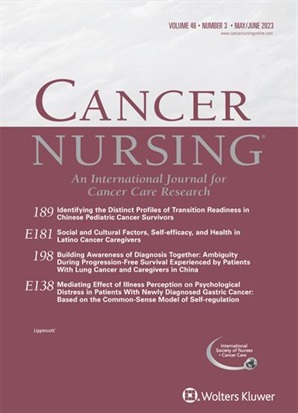
Allostatic Load and Depression Symptoms in Cancer Survivors A National Health and Nutrition Examination Survey Study

Background Individuals with cancer often experience stress throughout the cancer trajectory and have a high risk of experiencing depression. Objective The aim of this study was to examine the relationship between allostatic load (AL), a measure of cumulative stress-related physiologic dysregulation of different body systems, and symptoms of depression in cancer survivors. Methods Participants were…

Cancer awareness in older adults: Results from the Spanish Onco-barometer cross-sectional survey

Background About half of all cancers are diagnosed in adults older than 65, making them the age group at highest risk of developing this disease. Nurses from different specialties can support individuals and communities in the prevention and early detection of cancer and should be aware of the common knowledge gaps and perceived barriers among older adults. Objectives The…

Circulating amino acid levels and colorectal cancer risk in the European Prospective Investigation into Cancer and Nutrition and UK Biobank cohorts

Background Amino acid metabolism is dysregulated in colorectal cancer patients; however, it is not clear whether pre-diagnostic levels of amino acids are associated with subsequent risk of colorectal cancer. We investigated circulating levels of amino acids in relation to colorectal cancer risk in the European Prospective Investigation into Cancer and Nutrition (EPIC) and UK Biobank…

Relationship between Sexual Violence and the Health of Spanish Women—A National Population-Based Study

Background: Health consequences are likely to be different when sexual violence is analysed independently from other types of violence. It is also likely that different health consequences will result in the cases of partner or ex-partner sexual violence, non-partner sexual violence and sexual harassment. Methods: This study is based on the 2019 Macro-survey of Violence…

Prediagnostic serum calcium concentrations and risk of colorectal cancer development in 2 large European prospective cohorts

Background Higher dietary calcium consumption is associated with lower colorectal cancer (CRC) risk. However, little data are available on the association between circulating calcium concentrations and CRC risk. Objectives To explore the association between circulating calcium concentrations and CRC risk using data from 2 large European prospective cohort studies. Methods Conditional logistic regression models were used to calculate multivariable-adjusted ORs and 95%…

Breakfast Size and Prevalence of Metabolic Syndrome in the European Prospective Investigation into Cancer and Nutrition (EPIC) Spanish Cohort

Background: Recent evidence suggest that energy distribution during the daytimecould be a potential determinant for the development of metabolic syndrome (MetS). Objective: To cross-sectionally assess the association between breakfast size and the prevalence of MetS in Spanish adults. Methods: Our study included a subset of 3644 participants from the European Prospective Investigation into Cancer and…