


Autoencoders reveal polyunsaturated fatty acids (PUFA)-Related metabolic signature linked to cancer risk

Background Metabolomics is a valuable tool for characterising biological mechanisms involved in cancer development, but produces complex datasets with intricate interdependencies. While linear dimension reduction techniques such as principal component analysis (PCA), have proven useful to summarise informative hidden patterns, biological evidence suggests metabolic relationships extend beyond linearity. Non-linear dimension reduction techniques, such as autoencoders…

Antibody Responses to 11 Fusobacterium Proteins and Colorectal Cancer–Specific and Overall Survival in the EPIC Cohort

Background: Although there is evidence that Fusobacterium spp. in colon tissue is associated with prognosis, less is known about the association between antibody response to antigens expressed by fusobacteria and colorectal cancer–specific mortality. Methods: Antibody responses to 11 Fusobacterium nucleatum (ATCC 25586) antigens were measured in prediagnostic blood for 471 incident colorectal cancer cases (median…

Drug-Facilitated Sexual Assault Pornography and Sexual Violence While Partying: Cross-Sectional Study

Background: Drug-facilitated sexual assaults (DFSAs) in youth partying contexts represent a growing public health concern, affecting approximately half of women and 1 in 4 men. These assaults often occur in environments where alcohol and other psychoactive substances are consumed, leading to impaired consent and increased vulnerability. At the same time, young people are increasingly exposed…

Breast cancer incidence, by stage at diagnosis, and mortality in 21 European countries in the era of mammography screening: an international population-based study

Background Mammography screening programmes have been widely implemented across European countries over the past 40 years with the main aim to detect breast cancer earlier and thereby reduce breast cancer mortality. This study aimed to analyse and compare changes over time in breast cancer incidence, by stage at diagnosis, and breast cancer mortality across countries…

Interactions between genetic predisposition to obesity, insulin resistance and type 2 diabetes risk, and food or beverage intake for incident type 2 diabetes: European Prospective Investigation into Cancer and Nutrition (EPIC) InterAct case–cohort study

Background Limited evidence exists for effect modification of genetic characteristics on the associations of food consumption and incident type 2 diabetes (T2D). Objectives We aimed to investigate whether the food-T2D association would vary by genetic susceptibility to metabolic traits. Methods We analyzed data from 9542 incident T2D cases and a subcohort of 12,477 participants nested…

Technology-facilitated sexual violence against women and its health impact: a mixed-methods systematic review

Introduction Technology-facilitated sexual violence (TFSV) is a significant public health issue, profoundly impacting women’s health. This systematic review aimed to synthesize evidence on the association between TFSV and mental and physical health in women aged 16 years and older. Methodology Following PRISMA guidelines, a systematic search was conducted across seven databases (CINAHL, Embase, PubMed, PsycINFO,…

Frameworks encompassing intersectional perspective of artificial intelligence in healthcare. Scoping review

Objectives This study systematically evaluates how existing AI frameworks in healthcare address intersectional bias across the AI lifecycle and explores the mitigation strategies proposed. Study design Scoping review. Methods A scoping review was conducted per PRISMA-ScR guidelines, analyzing studies from 2014 to 2024. Searches included MEDLINE (Ovid), PubMed, EMBASE (Ovid), SCOPUS, ESCI, IEEE Xplore, and…

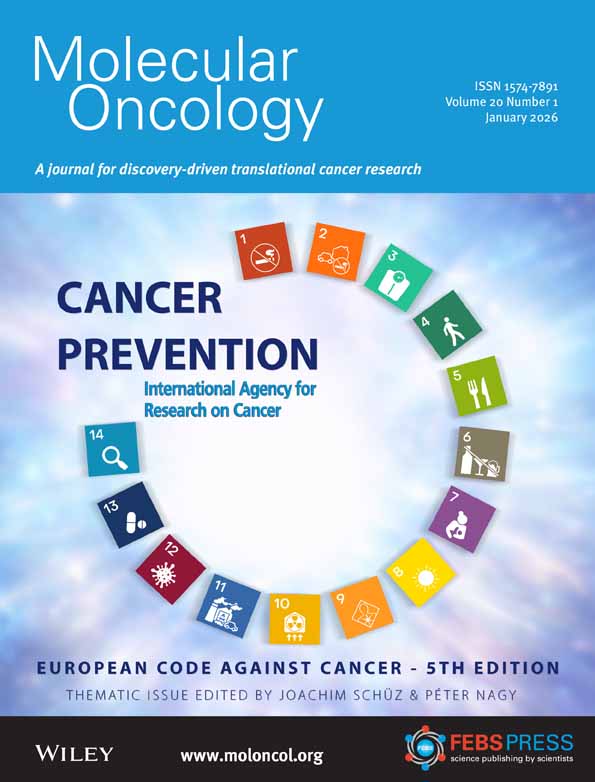
Optimising the European Code Against Cancer, 5th edition, to increase awareness of avoidable cancer risks in all socioeconomic groups

Although cancer is a leading cause of death in the European Union, around 40% of cases are preventable. The European Code Against Cancer (ECAC) was developed to inform citizens about key cancer-risk-reducing actions. This study aimed to identify effective ways to present the 5th edition of the code (ECAC5) to optimise awareness of cancer risks…

Transferable Exclusivity Extension Vouchers for Antimicrobials: Incentive Design, Implementation Challenges, and Policy Trade-Offs

Antimicrobial resistance (AMR) is one of the greatest threats to public health, and forecasts for 2050 are even worse. In response, the European Commission (EC) is proposing the Transferable Exclusivity Extension Voucher (TEEV), which aims to encourage the development of innovative antimicrobials. It consists of extending data exclusivity for a medicine selected by the beneficiary…

The 3V score and joint associations of low ultra-processed food, biodiverse and plant-based diets on colorectal cancer risk: results from the European Prospective Investigation into Cancer and Nutrition (EPIC) study

Background Diet may modify colorectal cancer risk. We investigated the associations of three dietary patterns, ultra-processed food (UPF) consumption, healthy plant-based food consumption, and food biodiversity, separately and combined into a “3V” score with risk of colorectal cancer. Methods This study used data from the prospective European Prospective Investigation into Cancer and Nutrition (EPIC) cohort,…